

Yucca, Rostrata
Yucca rostrata
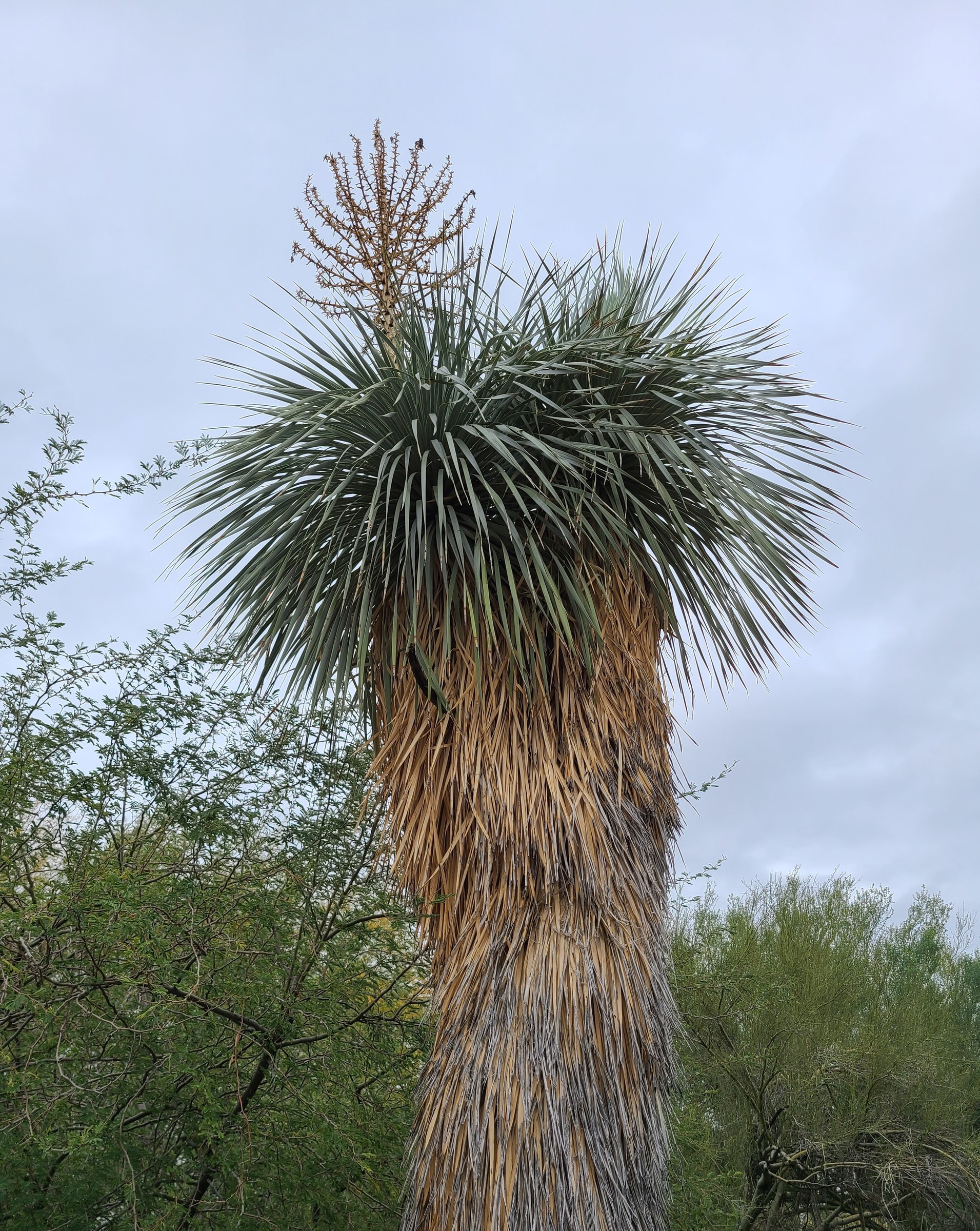
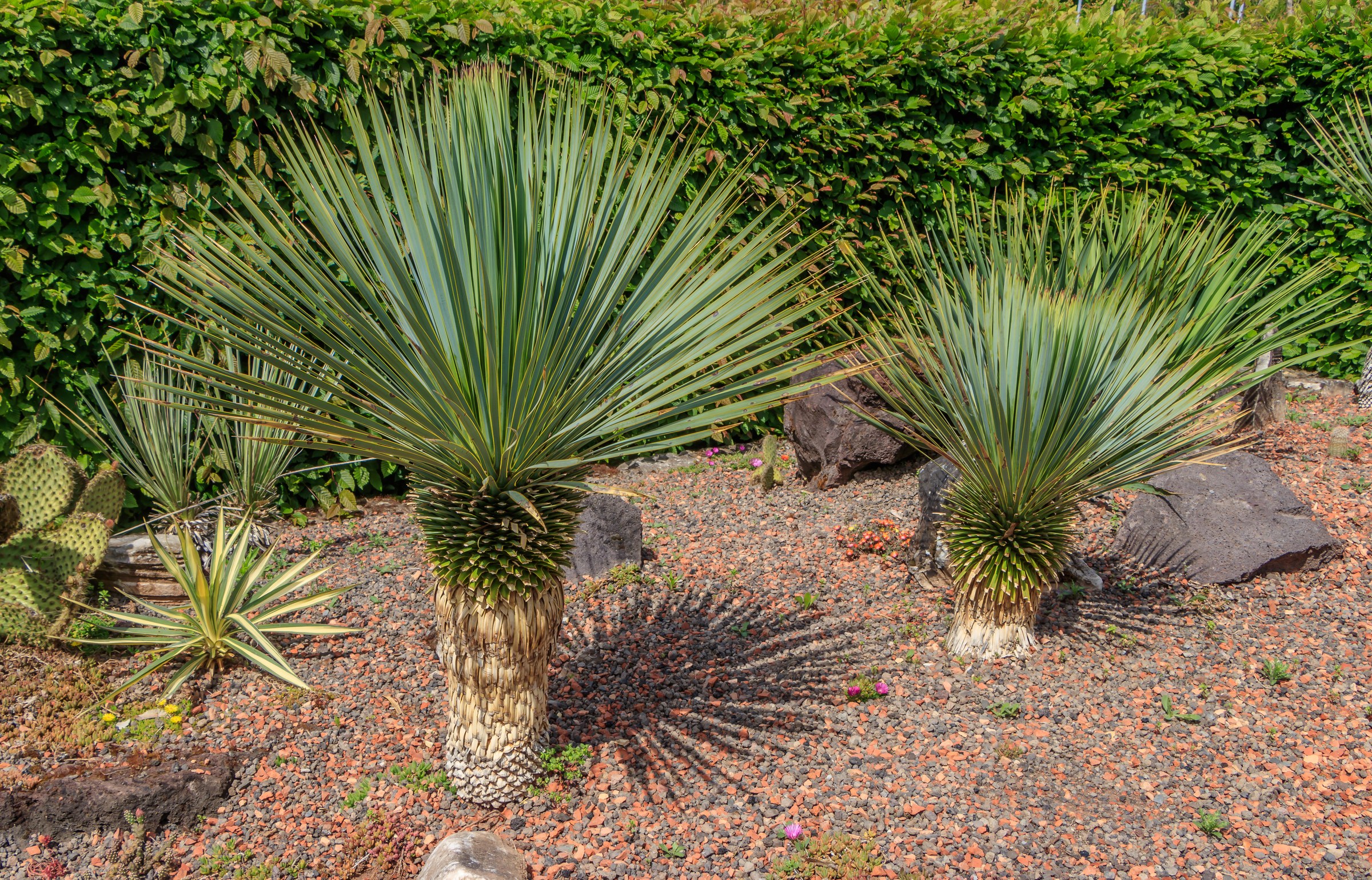
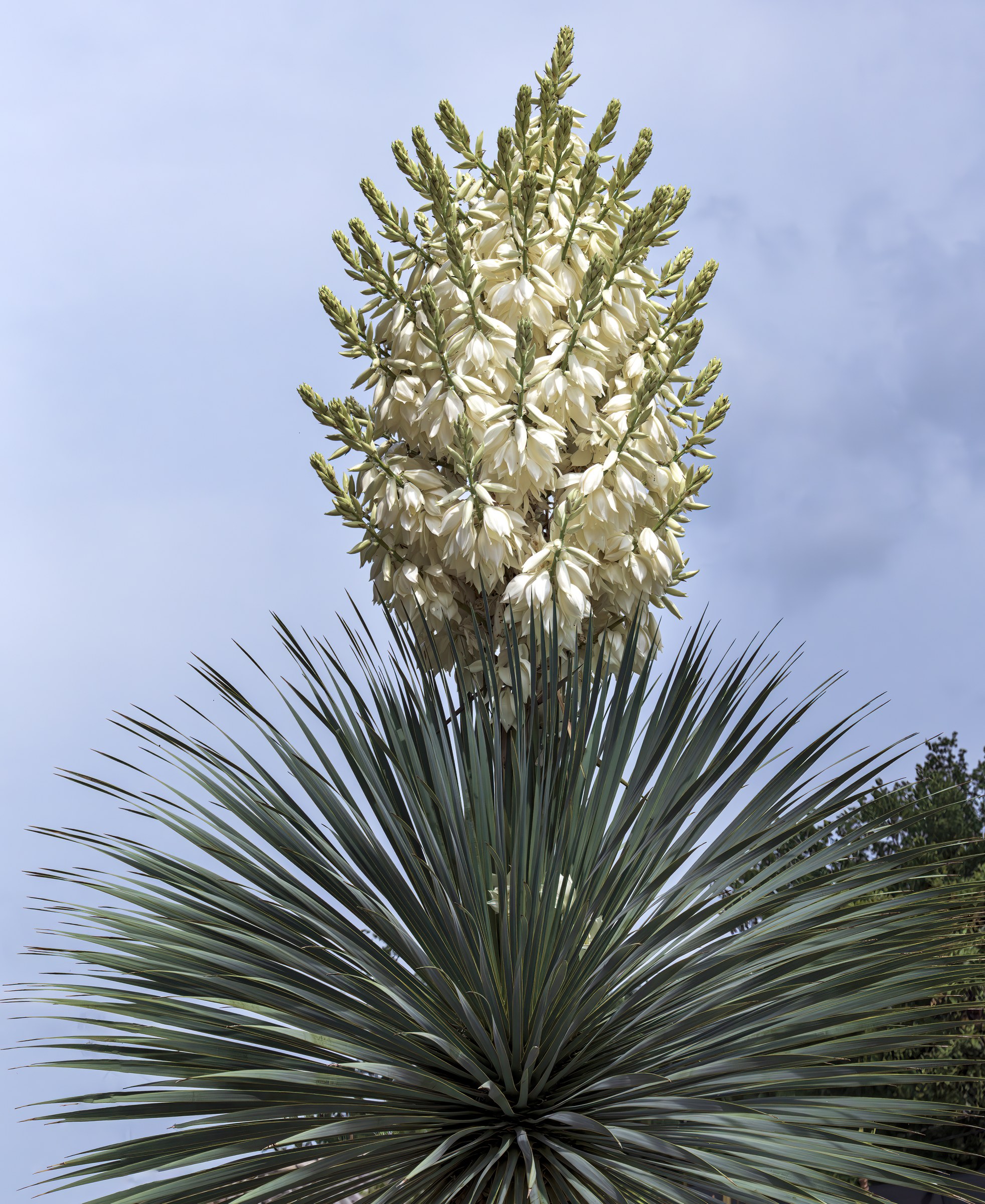
Beaked yucca (Yucca rostrata) — also called Big Bend yucca — is a slow-growing, single-trunk evergreen from the Chihuahuan Desert of West Texas (Big Bend) and northern Mexico (Coahuila and Chihuahua). A tight sphere of powder-blue to blue-green (glaucous) flexible leaves sits atop a fiber-skirted trunk that can reach 6–12 ft tall and about 3–5 ft wide in the crown. In summer, mature plants send up a tall cream-white flower spike that draws moths. One of the hardiest trunked yuccas for Texas (roughly USDA zones 5–11; top-kill risk only in extreme Arctic blasts), it is a signature architectural specimen for Hill Country and desert-modern yards. “Rostrata” means beaked — the leaf tip. John calls it the “high society yucca” because the form is so polished and gorgeous.
Landscape use
Specimen accents and entry courts; modern desert and xeriscape gardens; gravel and DG beds; groupings with agave, dasylirion, sotol, and other architectural succulents; formal pairs flanking gates; large containers only if drainage is excellent and winter wet is controlled. Not for shady courtyards or irrigated turf beds. Nursery plants arrive two ways: with the dead lower leaves left on the trunk — John calls those “chaps” or “pants” — or with the trunk cleaned. A trimmed trunk always looks better, but stripping those leaves takes real effort. Trimmed-trunk specimens read especially “high society” at entries and in formal pairs. Place it where there is not much overhead — this plant gets tall over time.
Care
Light: Full sun only — at least 6–8 hours. Shade softens the blue color and stretches the form. Soil: Sharp drainage is mandatory. Lean gravel, decomposed granite, raised beds, or amended rocky soil; it fails in heavy wet clay. Avoid rich, organic beds that stay damp. Water: Deep but infrequent while establishing (first 1–2 seasons), then very little — overwatering causes root/crown rot. Established plants often need no summer irrigation in Central Texas beyond rainfall. Growth habit: Slow. Trunk builds over years. Leaf tips are pointed, but the blades flex under pressure instead of stabbing — bumping into one will not injure you. Hardiness: Outstanding cold tolerance for a trunked yucca (catalog freeze kill around −15°F). Protect brand-new plants their first winter with good drainage more than blankets. Pests & disease: Usually trouble-free. Main killers are poor drainage and overwatering (root rot). Watch rarely for scale or yucca weevil/borer on stressed plants. Deer typically leave it alone. Flower stalks appear only once the plant is fully mature. After a stalk shoots up and then dries, prune the dead stalk off as soon as it is dry. This plant does not like extra watering — it needs dry feet and a dry root system. Often mound it up so it has excellent drainage.